Research & Partnerships
Advance person-centered care through collaborative research, education, and implementation.
We're partnering with universities, healthcare organizations, health systems, professional associations, and researchers to advance person-centered care through practical education and applied research.
Experience our online course by watching the introduction and first module at no cost.
Experience the Course
Preview Why Care Plans Fall Short in the Real World—And What Providers Can Do About It.
Watch the introduction and complete the first module to experience the practical approach used to teach person-centered care.
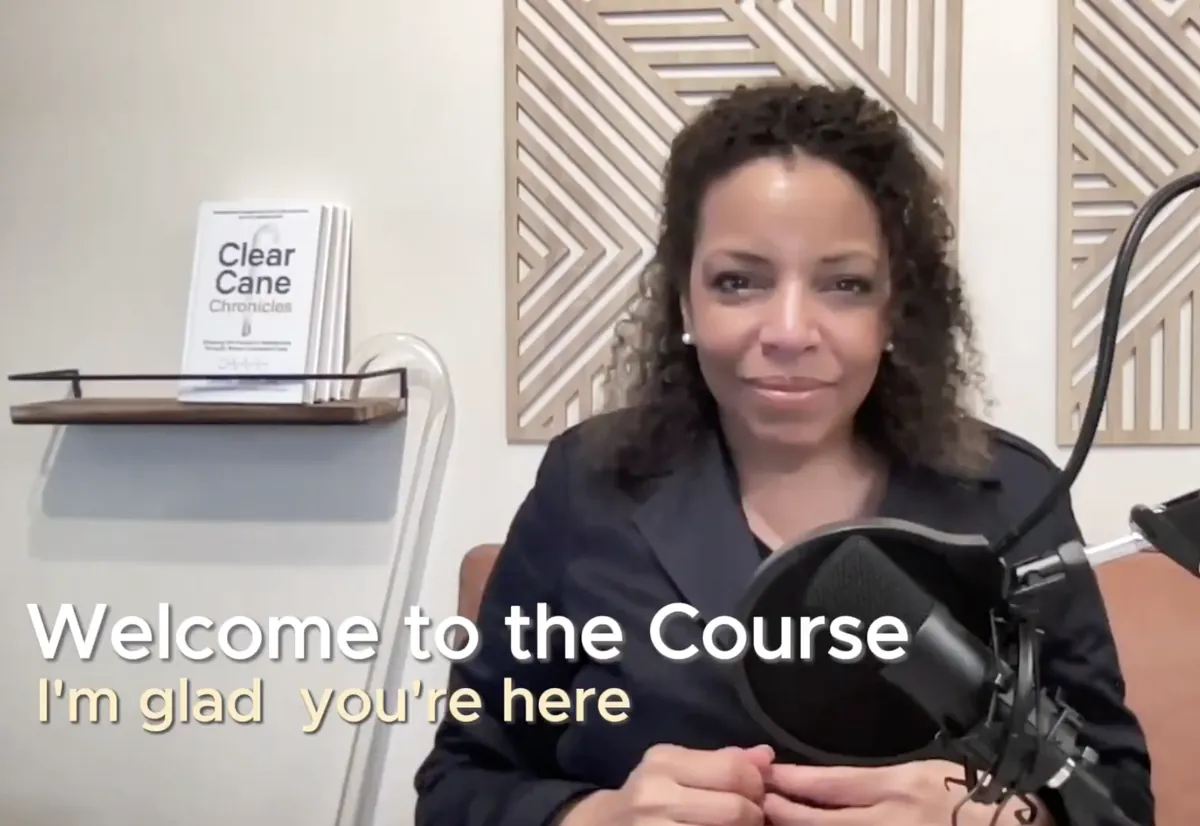
Welcome to the Course
Meet your instructor and learn what you'll gain from the course.
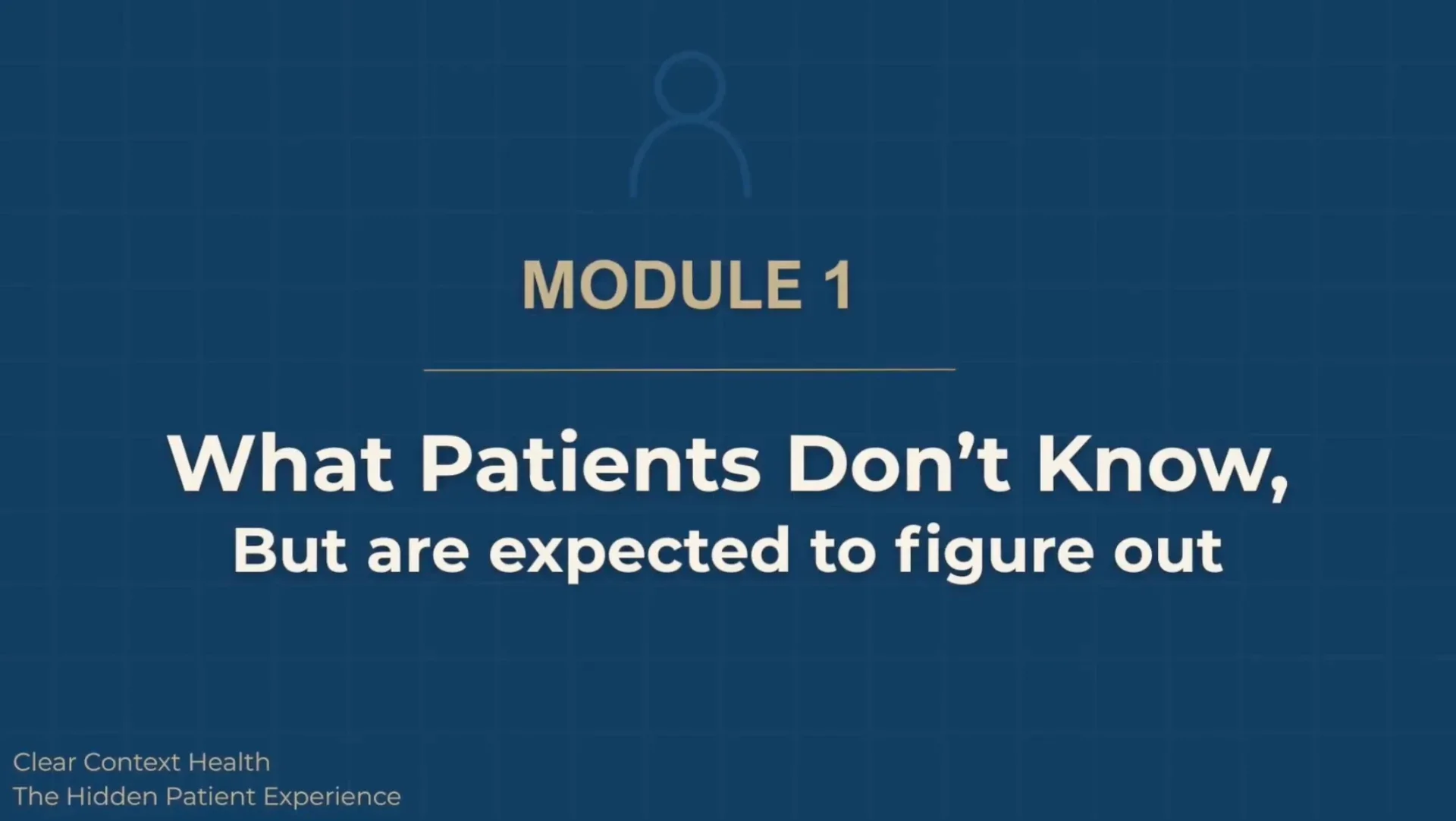
Module 1: What Patients Don't Know, But Are Expected to Figure Out
Experience the first full lesson and explore how hidden expectations within the healthcare system shape patient understanding, engagement, and follow-through.
Module 1 Preview Resources
Continue your learning with the companion reflection prompts, recommended resources, and supporting reference included with the free Module 1 preview.
For Clinical Practice
- What assumptions do I make about what my patients already understand when they leave an appointment?
- How do I check whether my instructions translate into something a patient can actually do at home?
- What is one change I could make in my next visit to reduce the hidden work patients are expected to figure out on their own?
For Pre-Clinic Learners
- Which parts of the healthcare system do I assume patients understand that they may not?
- How might my future patients experience the gap between what is said in a visit and what they are expected to do afterward?
- What skills do I want to build now so I can communicate in ways that reduce confusion and burden for patients later?
Reference
U.S. Department of Health and Human Services, Office of Disease Prevention and Health Promotion. (2010). National Action Plan to Improve Health Literacy.
Sample knowledge check — preview only
Module 1 Knowledge Check
This sample question illustrates the type of knowledge check included at the end of Module 1.
- Diagnostic accuracy
- Treatment effectiveness
- System navigation clarity
- Disease severity
Curriculum Overview
How Care Plans Fall Short in the Real World And What Providers Can Do About It is organized into ten practical modules that build from understanding the hidden patient experience to applying person-centered care in everyday clinical practice.
Module 1
What Patients Don't Know, But Are Expected to Figure Out
Unspoken system expectations shape patient behavior, trust, and outcomes.
Module 2
"Safety First" Means More in Real Life
Safety is tested outside the clinic. Discharge communication and mixed messaging can create preventable risk after patients leave.
Module 3
What Happens at Home Shapes Outcomes
Daily life, competing demands, and structural realities influence whether care plans succeed.
Module 4
Care Transitions and the Responsibility Gap
Clear accountability during handoffs reduces preventable breakdowns in care.
Module 5
Coverage Realities in Clinical Care Planning
Coverage decisions influence treatment timing, access, and patient trust.
Module 6
Patient Pain Points You Rarely See
Hidden patient challenges often determine whether care plans succeed or fail.
Module 7
Disability, Identity, and Dignity in Care
Protecting autonomy and dignity strengthens inclusive clinical practice.
Module 8
Support Circles & the Hidden Work of Care
Understanding real caregiver support improves care planning and sustainability.
Module 9
Clinical Care Requires Facts, Not Unchecked Assumptions
Deliberate questioning strengthens objective, context-informed clinical judgment.
Module 10
Practicing With Patient Context
Context is clinical information and belongs in assessment, diagnosis, and treatment planning.
Partner With Us
We're interested in collaborating with organizations that want to improve person-centered care through education, research, curriculum integration, implementation, or pilot projects.
Potential partners include:
- Universities
- Residency and fellowship programs
- Health systems
- Professional associations
- Healthcare organizations
- Research collaborators